
En masse, the world’s leading critics, sommeliers and wine buffs are constantly waxing lyrical about it, and the grape has delivered some of the most revered wines on earth, growing in extreme German terroir where viticulture has been practised for as long as it has in the revered realm of Burgundy. So, what’s the deal with Riesling, so often spoken and written about, receiving as much media coverage as overworked vinous topics such as regenerative farming and Swartland Shiraz, yet not finding real commercial traction in the wine world?
In the world of white wine, Chardonnay remains the commercial benchmark. It is the most planted white variety in the world at roughly 200 000 hectares, and it works at every price level, from entry-level unoaked styles to top Burgundy. Consumers understand it and that versatility keeps it moving.
Sauvignon Blanc sits just behind. At roughly 120 000 hectares globally, it has built its success on clarity. People know what to expect: fresh, aromatic, immediate. Marlborough, Sancerre, Stellenbosch … the style reads clearly wherever it comes from. In the UK and US especially, it is the default restaurant white.
Riesling, by contrast, is niche. Global plantings sit around 60 000 hectares, concentrated in Germany, Alsace, Austria and Australia, with smaller pockets in Washington State, the Finger Lakes, New Zealand and South Africa. It rarely troubles the top ten in volume in major export markets.
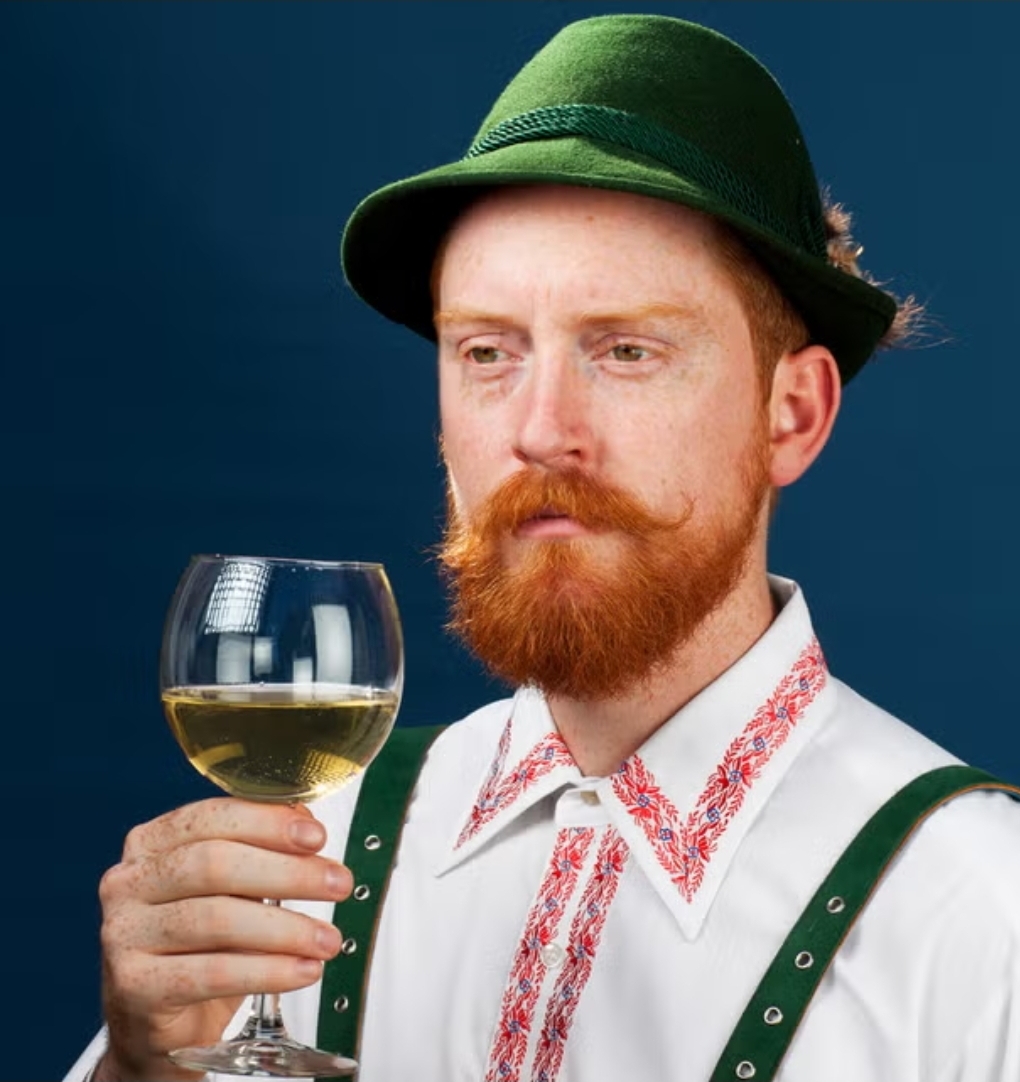
This is despite brilliant wine scribes such as Jancis Robinson and Terry Theise going to regular extraordinary lengths to muster enthusiasm for the great German grape. Robinson describes Riesling as “one of my great wine heroes” and says, “For as long as I have taken wine seriously, Riesling has had a special place in my heart.” Yet, despite the world’s leading wine writer professing a love for Riesling for 50 years, it still hasn’t caught on with the bulk of the world’s wine drinkers.
I, too, would truly like to see the day when Riesling claims similar worldwide appeal to that achieved by Chardonnay, Sauvignon Blanc and Pinot Grigio. Still, for some reason or other, this has just not happened – despite the variety’s ability to offer the same kind of vinous enthrallment, from refreshing gluggers to site-specific, meticulously crafted wines that can hold their own against a top Burgundy or Sancerre.
Perhaps it is, as in the case of South Africa, a result of Germany’s national image just not being aligned with what consumers expect from a winemaking country. That national vibe portrays a reputation of orderliness, organisation, mechanical efficiency and regimental competence, tied to an aggressive churlishness. When it comes to buying a car, a piece of mining equipment or a functional kitchen appliance, German brands are in high demand. But all the warm-blooded, personable lifestyle offerings are deemed far more desirable if they originate from France, Italy or Spain.
Take German cuisine, for example. Can one really blame an outsider for not taking German wine seriously when that country’s culinary offerings centre on well-girthed sausages, smoked fatty pork, cabbage and potatoes? Compare German food to the colourful and diverse tables of France and Italy, and it is a no-brainer in assuming that the latter nations take taste and pleasure more seriously than the land of the Big Eisbein. And seeing that wine appreciation runs parallel to the assumption of the state of a wine-producing country’s heart, Germany falls short in desirability, as does its lovely national grape, Riesling.
This is a pity, as the German wine industry has origins similar to those of the world’s great wine regions, such as Burgundy. Emperor Charlemagne, he of Corton-Charlemagne fame, was regulating viticulture and winemaking in Germany back in the 8th century. And just as was the case in Burgundy, the Benedictine monks were responsible for parcelling terroir-specific sites and making wine in the Middle Ages. Burgundy, for example, has its ‘Clos’ and Germany its ‘Kloss’.
But in the greater wine picture, even the most loyal German wine ambassadors have to admit that they have been far outdone by the French and many other wine countries in terms of generating a global affinity for their Riesling and other wines.
When the mood for Riesling strikes, as now, South Africans are limited to slim pickings. Local offerings are scarce – even the great Cape sage of Riesling that is Danie de Wet, who learnt his winemaking at Geisenheim Institute in Germany – has called it quits and pulled his Riesling vineyard on De Wetshof.
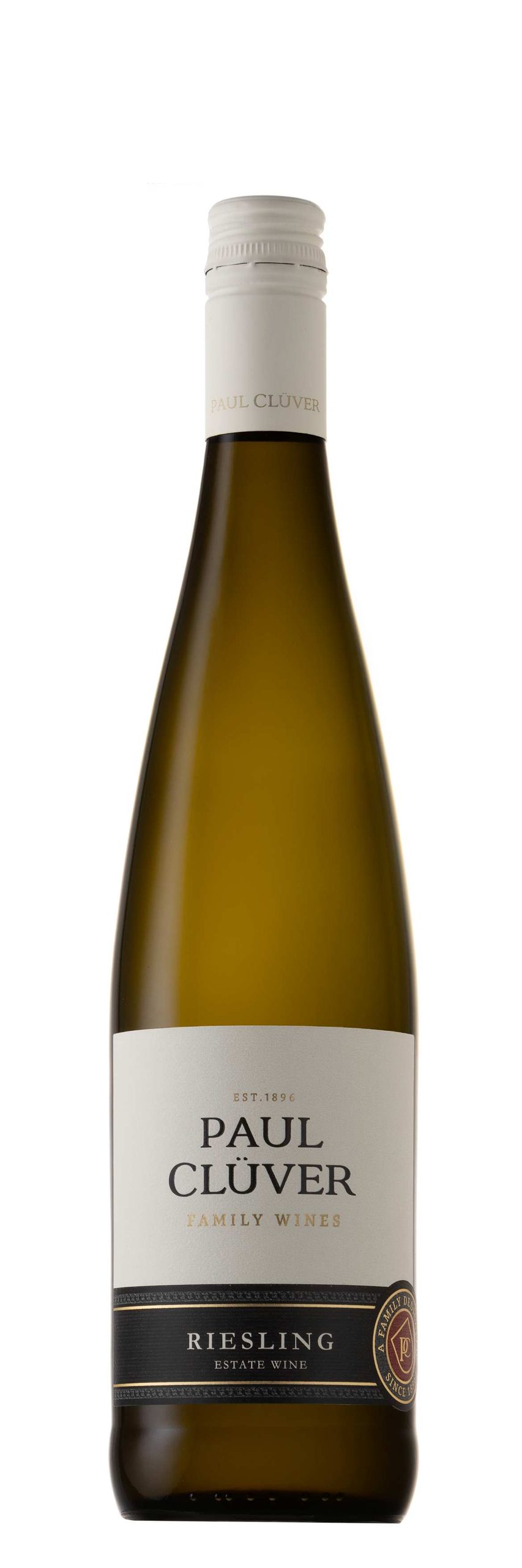
Paul Clüver in Elgin remains one of the die-hards, and when I saw the 2026 vintage was released a week ago, I hastily procured a case of six. The occasion of Spring being in the South African air and general philosophical thoughts on Riesling and dirndl-clad blonde maidens, led me to drink the first two bottles accompanied by much pondering on what this cultivar offers.
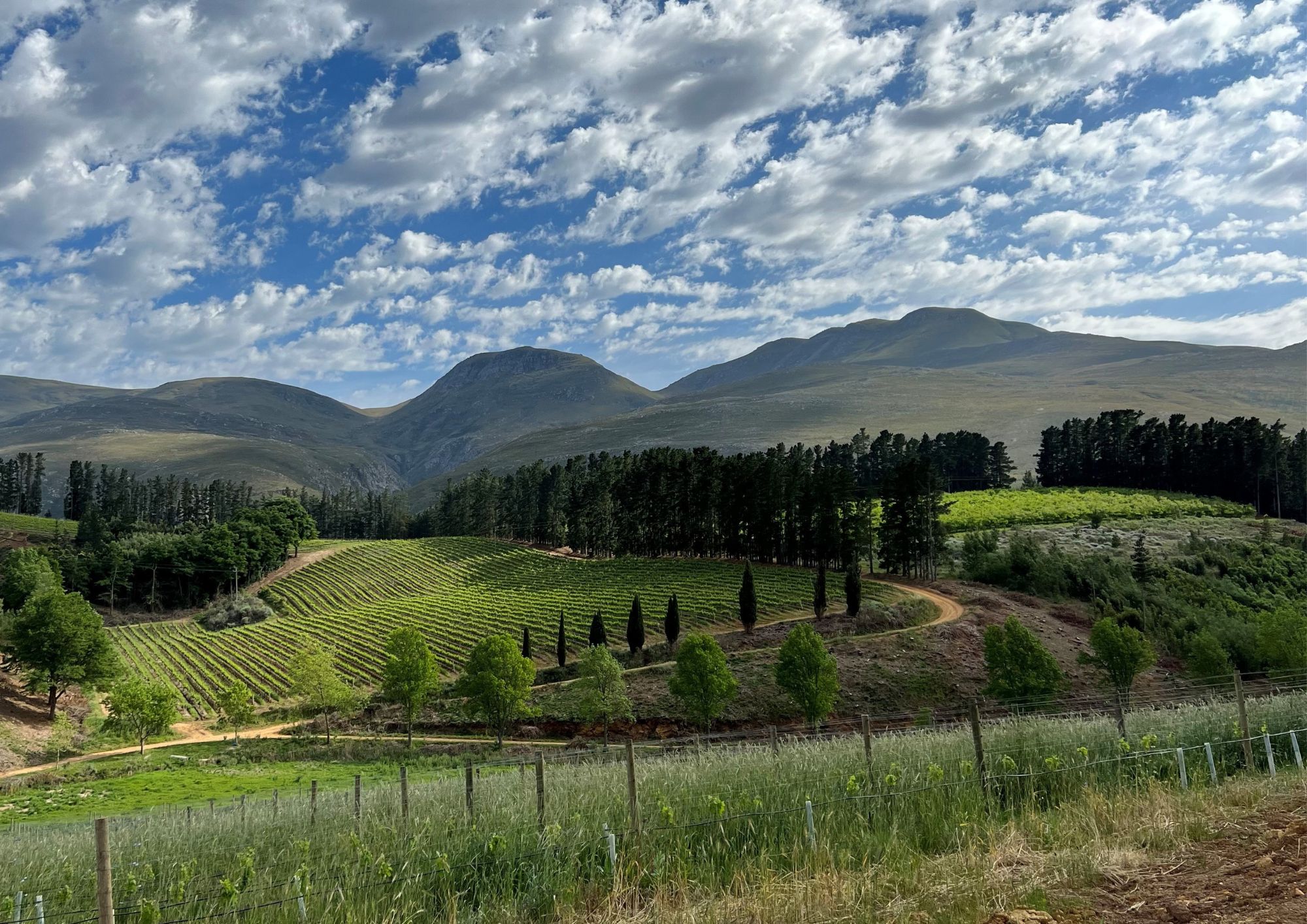
Riesling was one of the first varieties planted in 1987 on the De Rust farm in Elgin – home of Paul Clüver Family Wines – with the cold climate and the hardy Bokkeveld shale soils deemed appropriate for the grape. At that time, Paul Clüver was still teaming up with Nederburg, where maestro Herr Günter Brözel was running the show. And if the Herr assumed Elgin was good for Riesling, one can bet one’s last pair of lederhosen that it is so.
The Paul Clüver Riesling 2026 originates from vines at 300m above sea level, the ocean only 20km off, giving the farm a combination of maritime and continental climates, something I have always found unique about the Elgin appellation. After the grapes are destemmed and crushed, the pressed juice is settled and racked to oak foudres and stainless-steel tanks for fermenting. Grapes from different blocks are fermented separately. 35% of the wine was fermented in the 2 500-litre foudres with the remainder in stainless-steel tanks.
Andries Burger, Paul Clüver’s winemaker, wants to hang onto some of the floral fruit in the grape. This he does by lowering the temperatures of certain vessels so as to arrest fermentation. This ‘fruity’ segment is later blended with the dry-fermented parcels to give the Riesling its natural off-dry glow, sitting at a residual sugar of 14%.
The result is a showcase of what Riesling can offer, namely a fine, brilliant and simply delicious white wine that exudes the traits I love in this cultivar. It is fresh as driven snow and from the outset shows a whistle-clean purity.
It is just impossible to resist glugging the first mouthful in its entirety, such is the moreish splendour. Assessing the wine a few sips down, it is apparent that despite the fresh accessibility and the pulsating bright verve, there is a lot going on.
The nose shows wafts of honeydew melon and jasmine in bloom. Initially sprightly and teasing on the palate, the flavours cascade in runs from the natural world, recalling images of dense forests, verdant wild grasses running up steep mountain slopes and icy streams gushing from glaciers. The pastoral vigour splashes tastes of crunch and juice, and slivers of ripe fruit. Green apple and forelle pear, with a dollop of frigid cantaloupe. Fig peel brushes by, while the discernible grip of lemon zest clings for an instant before being washed away by plucked sorrel and a chunk of crushed quince.
The line of taste is taut and seamless, offering a Swiss-clock precision in the balance between a pulsating heart of flavour offerings and the rapt acidity desired to move the wine forward as an upright, commanding and startlingly engrossing living thing. It knows where it wants to go, and if this should be in my direction, it has arrived. And always shall.
Enjoyed this article?
Subscribe and never miss a post again.
great article!