
The closer one gets to the Stellenbosch town itself these days, the harder it becomes to believe this is South Africa’s wine capital. Vineyards, which should be the lifeblood of the town and the region, have been ripped out at a rapid pace over the past two decades to make way for box-like housing units and shopping centres. And it is not as if this slow erosion of Stellenbosch’s centuries-old wine-land identity is levelling off, far from it. Even now, looking for the block of Chenin Blanc vineyard I was so used to seeing on the road into town from the north, a billboard advertising another housing project commands the bare ground where the vines once stood.
The old wine farm Blaauwklippen, on the town’s southern side towards Somerset West, is therefore for me a deeply important piece of land. Together with Kleine Zalze across the busy R44, Blaauwklippen serves as a sort of last stronghold where wine country and Stellenbosch’s commercial and residential chaos meet. Where the earth of vines and wine culture ends and is swallowed up by overcrowded roads, unchecked commercial excess and the permanent sight of building sites.
The history of Blaauwklippen is interwoven with the Stellenbosch wine industry, and with an official founding date of 1682 it is the oldest wine farm in the area. Well, that is the date officially given, which makes it three years older than Groot Constantia which lays claim to being the oldest.
Many colourful VOC officials and French Huguenots have lived on the homestead, and even the genial imperialist Cecil John Rhodes had laid his hand on Blaauwklippen. For less than a day. In 1898 Rhodes bought the farm at auction for £3 500, only to sell it later that same day for £3 000, a transaction that is not quite the kind one sees today from Stellenbosch’s slick property developers.
Like most of the celebrated Stellenbosch wine farms, Blaauwklippen paved the way for making good wine in the 1970s. That was when a certain Graham Boonzaier bought the farm in 1972, a businessman from the old Transvaal and Orange Free State who sought a country lifestyle and the following of agricultural ambitions.
Boonzaier’s trump card was the appointment of Walter Finlayson as Blaauwklippen winemaker in 1975. Finlayson, one of the most gifted winemakers the country has ever seen, grew up on his family’s Montagne wine farm in Bottelary. Finlayson embraced the challenge of restoring Blaauwklippen with both arms seeing he and Boonzaier essentially had a clean slate to work from. Until the Transvaaler’s arrival, the place had been neglected, the earth covered with neglected old vines that had not been pruned or picked for years.
New vineyards were planted, Finlayson began to work his intuitive magic in the cellar, and things started happening for Blaauwklippen on the wine front. Especially when Finlayson won the Diner’s Club award for South African Winemaker of the Year in 1981 and 1982, first with a Zinfandel and a year later with his Cabernet Sauvignon.
From the beginning of the new millennium, however, Blaauwklippen – despite its rich heritage and commendable vinous track-record – struggled to maintain its wine status in the post Boonzaier and Finlayson era. The explosion in wine tourism and the expansion of Stellenbosch brought various developments to the farm, something bearing its own danger for a traditional estate’s reputation for wine excellence. Namely: with all the picnic spots, visitor amenities and commercial noise, where is the focus on making good wine? And, at the end of the day, a wine brand’s reputation rests and falls on the wine and the quality thereof.
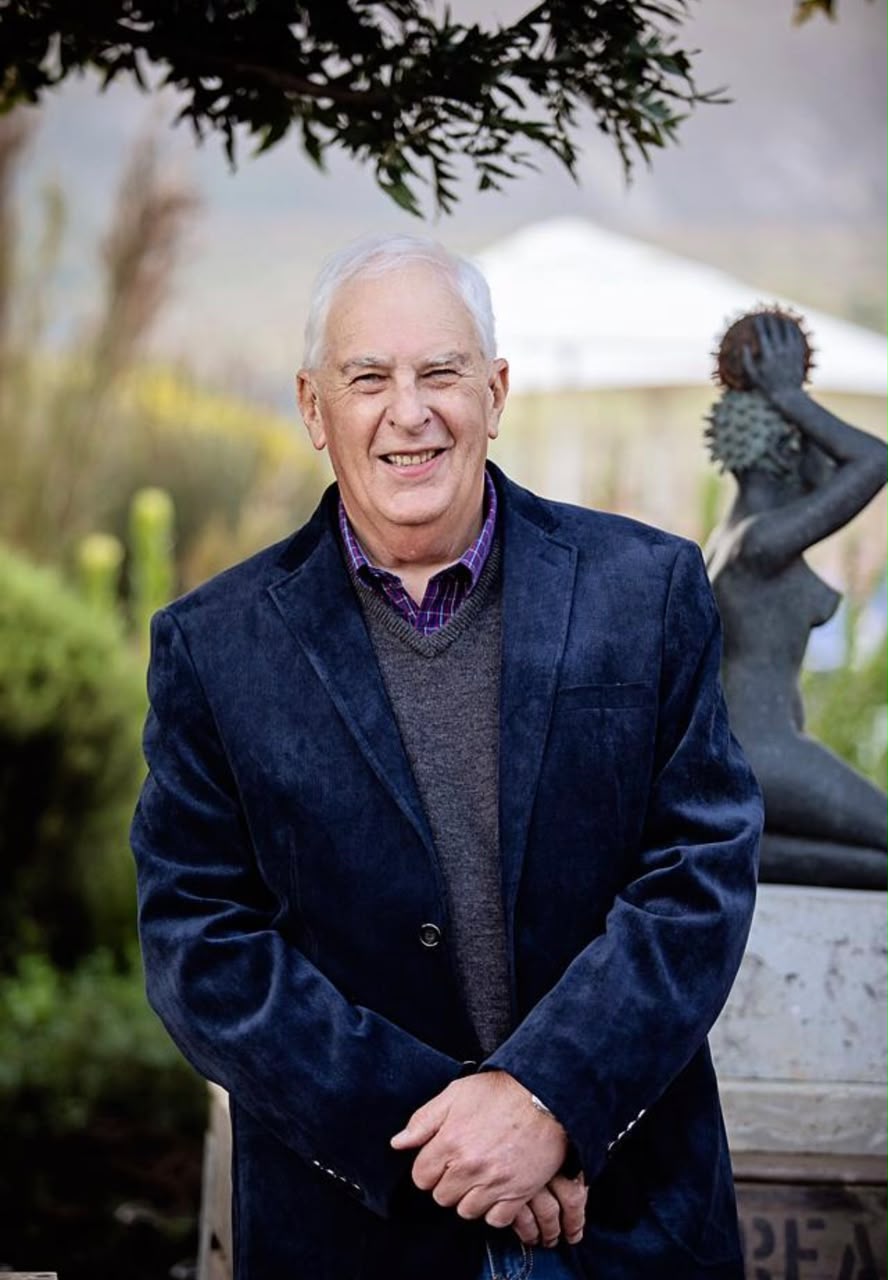
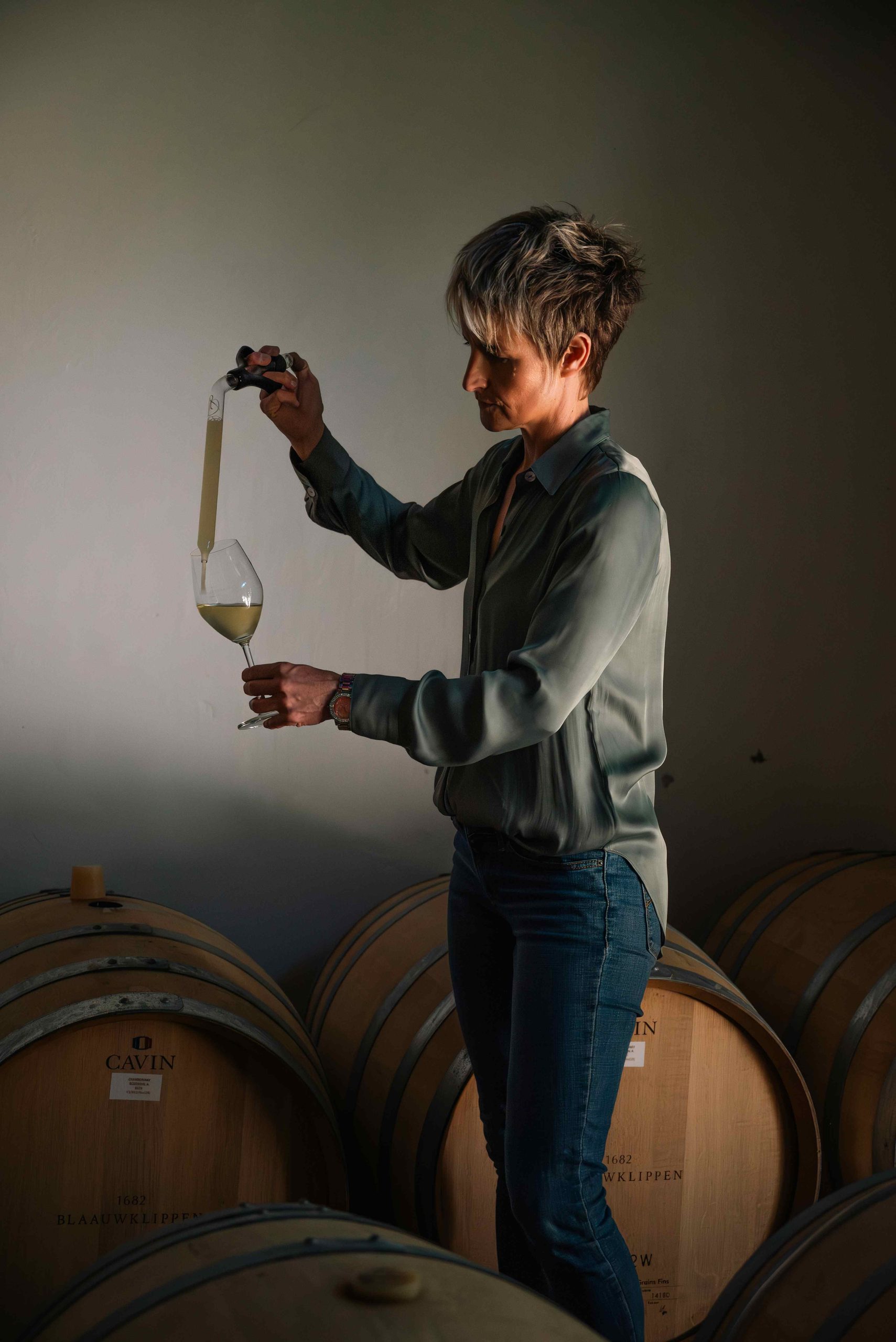
The answer is that, despite a few stumbles over the past 25 years, Blaauwklippen’s wine quality is now worthy of the farm’s tradition and provenance. New vineyard plantings of clean, virus-free material and the ingenuity of winemaker Narina Cloete, who has occupied the cellar for the past ten years, have ensured that the farm’s wines are not only of exceptional quality but also faithfully convey the character of Blaauwklippen’s soils, slopes and climate in an impressive range.
The soils here have always been suited to good red wines, being situated at the foot of Stellenbosch Mountain. Here weathered granite reigns supreme, the cradle of the region’s red wine heritage, and the reputation of any winery located in this area is made or broken by the quality of the Cabernet Sauvignon that is sent out into the world.
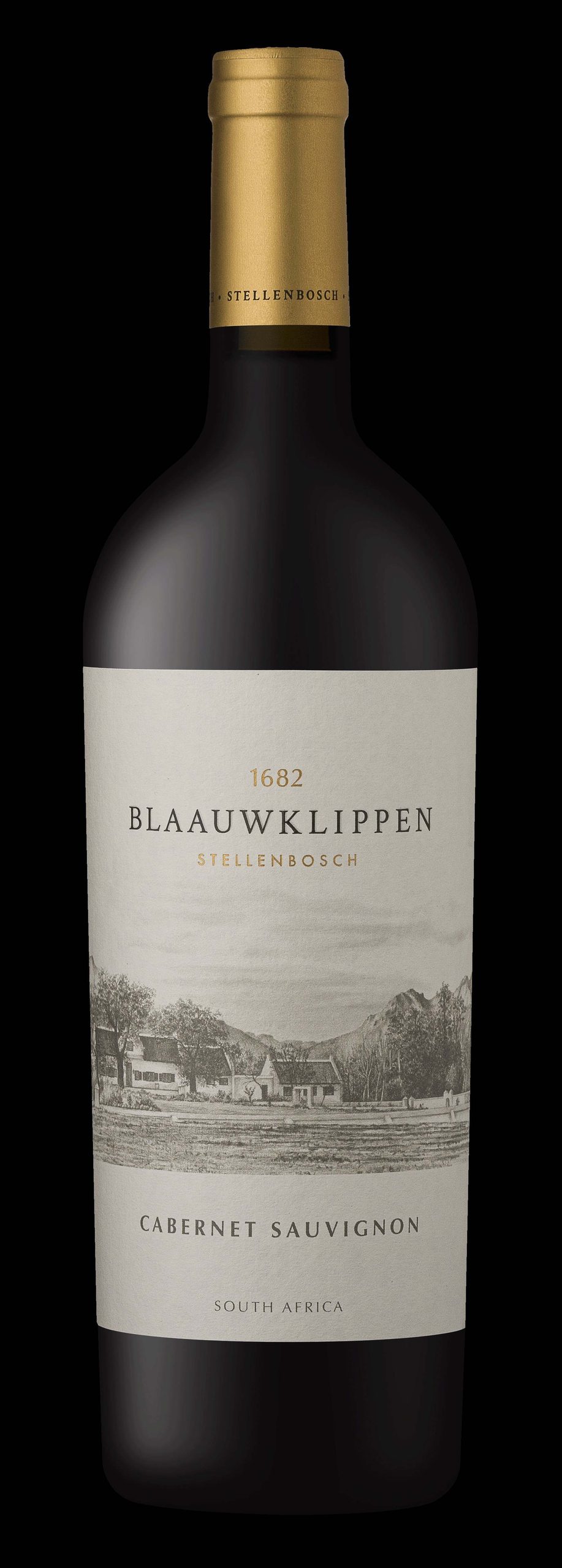
Blaauwklippen’s 2024 Cabernet Sauvignon, the current vintage in the market, is guaranteed to make those who remember the classic old-world Cabernets from Stellenbosch feel thoroughly nostalgic. The winemaking is, of course, modern: whole berries fermented in gleaming stainless steel, with pump-overs instead of the traditional hand-plunging. And 18 months of ageing in small oak barrels, 42% of which are new.
Yet from the smell of the wine to the lingering aftertaste, one tastes Stellenbosch, tradition and Cabernet Sauvignon in all its visceral purity. The wine’s tannins are perky and command with a knowing grip on the palate, tannin the leader for flavours of blackcurrant, cedar and pine needle, and a wine seamlessly combining regal elegance with a supple, sensual richness. It is classic Stellenbosch, classic Blaauwklippen, and among the best in the area.
Cabernet Franc, one of Cabernet Sauvignon’s parents alongside Sauvignon Blanc, is currently highly fashionable in the industry. And Blaauwklippen’s version, also from 2024, stands out for me as it contains all those textbook elements that characterise Cabernet Franc and sets it apart from Cabernet Sauvignon. The aroma is overwhelming in a most lovely way, and on the palate there is a sense of nature and freshness. You get fruit, but also fynbos and pencil shavings, extremely complex, and very classic and refined.
Narina is also known for her skill with white grapes, and the Blaauwklippen Chardonnay underlines the fact that this Burgundian grape variety has over the years found a comfortable home in Stellenbosch. The grapes do not yet come from the farm itself, as the young vineyards still need to develop, so the fruit is sourced from another part of Stellenbosch. The wine is aged in barrels, 28% of them new, for 11 months. No malolactic fermentation was carried out to give the wine body, but in the barrels the lees were regularly stirred to ensure the final wine conveys the full heart of Chardonnay.

The result is a lovely, soul-elevating freshness with the first sip, leading to the seductive Chardonnay flavours of citrus, nuts and clean, wet stone. Once again, the precise expression of the grape’s inherent character is present here, as is found throughout the Blaauwklippen range. Those, like me, who have not yet fully gotten to grips with the Malbec grape will be convinced by Blaauwklippen that this variety also thrives under the farm’s label, and within the overall Stellenbosch spirit that hangs over its wines.
And may that spirit live on from the vineyard, without the slightest whiff of building-site dust, freshly mown golf course and diesel exhaust fumes.
Enjoyed this article?
Subscribe and never miss a post again.
Growing up on Blaauwklippen and living through those years of the late 70’s and 80’s , when the property was still a 5 minute drive from the nearest houses in Stellenbosch , its crazy to see the development going on around it now. Back then the gravel slopes where Technopark now exists, were the source of the DC award winning Cab’s. Sadly the real estate developers and town fathers see more value in property nowadays than in the wine industry it seems.
Its great to see the resurgence of Blaauwklippen and the wines winning awards again under the fine hand of Nerina , who interestingly spent her student practical internship harvest at Glen Carlou , the winery Walter built up after he left Blaauwklippen .