
The Louis Latour show rolled into town a few weeks back, and this Burgundian-themed gig is a star-studded double-header. The first part here is the anticipated opportunity to taste some of Maison Latour’s finer wine offerings, which is always a showing worth pitching for and if I had not been invited, I would have paid full-ticket price. Dating back to 1797, Latour owns substantial parts of Burgundy’s revered vineyards and their bottled monuments, so a not-too-shabby sensorial partaking of vino at this gathering is assured.
The double-header’s other act is an immersion into the role of oak barrels on Burgundian wines, and wine in general, as Latour is itself also a famous cooperage, putting together barrels from staves of seasoned oak for use by winemakers the world over sharing a vision of vinous excellence and provenance for which the Latour marque is renowned. Attendees at the event – predominantly Cape winemakers – were guided by Michael Fridjhon, who has a decades-long personal and professional relationship with Team Latour, the team being in good hands down here in the Africa of South. For besides knowing Burgundian terroir, vineyards and wines like the back of the hands of serial poker-player, Michael’s knowledge of the various aspects of the process whereby grapes are transferred to wine and finished product is exceptional.
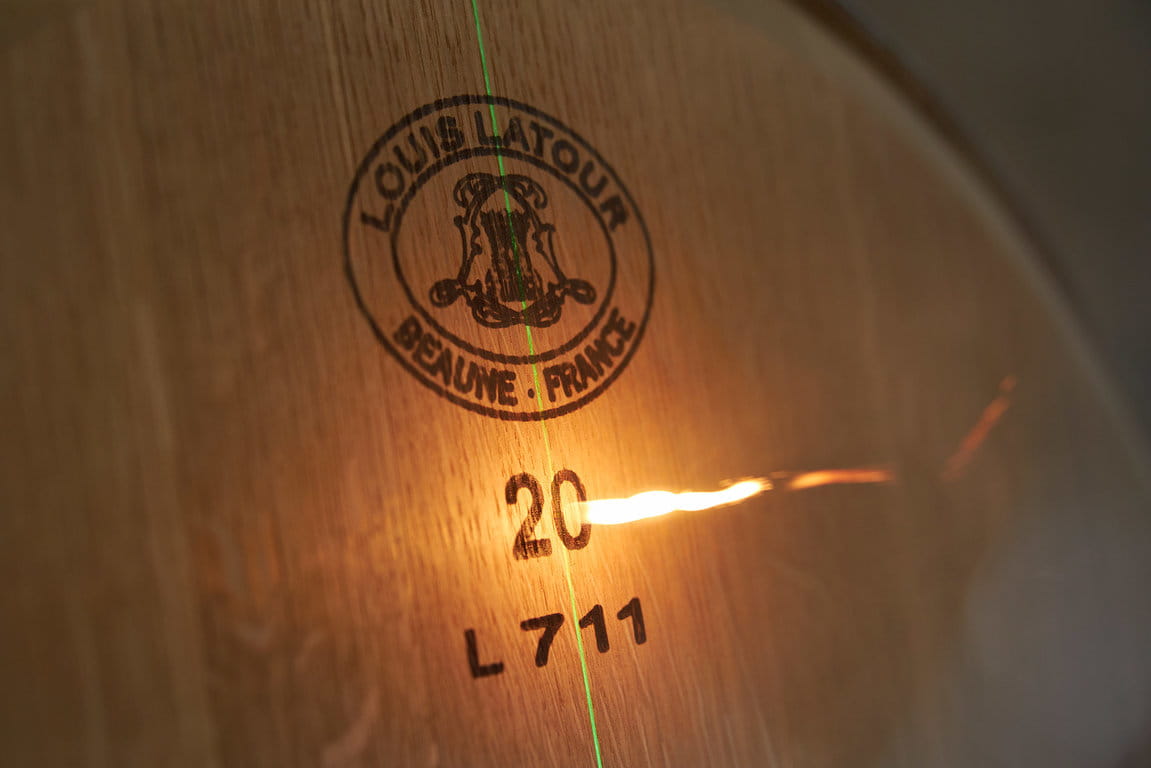
Now, I love wood and its role in wine – anyone who has had the opportunity to visit a French cooperage will share this. Oak trees of 150 years and older growing in the vast forests of rural France, lovingly chopped down and falling with crushing sighs that turn to sounds of thunder as the lengthy trunks and spread branches hit the floor. The wood is cut to staves and the staves piled under open skies, exposed to the seasons of three and more years, the weather and exposure allowing greenness and oils to leach out. Then the staves are brought to the cooperage, where burly skilled coopers hammer and ply them together with steel hoops, until one is left with a marvellous vessel that has a profound role in the aroma, taste and structure of the wine it will hold for months and years.
Fridjhon’s Latour tasting is not to celebrate oak, but rather to ask what we actually taste – and what we do not taste – when really fine oak is used well for the maturation of wine. During the recent show, his starting point was our collective history with the barrel.
“For a generation in wine, oak became the platform, then the crutch, then the enemy,” he said. “At first, oakiness imparted value in the mind of the consumer. Buy a bottle at R200 or R300 and you expected no oak to show when tasting the wine. Pay R500 or R800 and you expected the wood to send you a subliminal message: this is more expensive.”
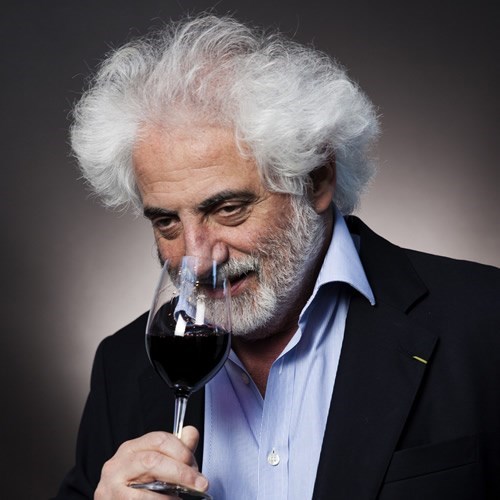
Fridjhon likened it to buying a new car. You sit inside, you smell the leather of the new seats, and you know why you paid over the top.
Times have changed, however, and for good reasons.
“There was the Anything But Chardonnay swing, and with it a swing against over-oaking,” he said. “If the oak interfered with the fruit, people asked, what was the point of wood? Oak was never supposed to interfere. It was supposed to complement.”
Properly understood, he said, barrel ageing does three things. First and most important is micro-oxygenation, the slow, gentle ingress of oxygen that helps a young wine settle and find its shape. A side benefit is that it complexifies flavour, particularly in younger wines. And thirdly, in a curious way with particular cultivars, it fills in the gaps.
“That leaves the practical question every serious producer must answer: what is the optimum investment, and what is the optimum cost?” he said. “What is clear,” Fridjhon said, “is that people who are serious about wine at international level have become increasingly obsessive about the oak they use.”
Although Bordeaux was using new barrels from the 1980s – mostly in the First Growths – Burgundy was another world entirely. New wood was almost unheard of. At Bouchard Père & Fils, where Fridjhon was visiting some 50 years back, new wood was used only for the Grand Cru whites. The second fill of those barrels then went either to the Grand Cru reds or to the premier cru whites, and many wineries used little or no wood at all.
Michael tells a cute anecdote: after seeing new wood in use at Bouchard Père, which was very unusual for Burgundy, he walked across the courtyard at Bouchard Aîné and asked Paul Bouchard what they did about new wood.
“Come, I will show you,” Bouchard said.
They walked past pallets and crates to a shed a little larger than a double garage, where an old cooper sat repairing leaking barrels by fitting new staves where they leaked. Bouchard pointed to a barrel with one new stave.
“That is the new wood in this winery.”
The wines laid out were all Latour, all oaked and – of course – all Burgundy.
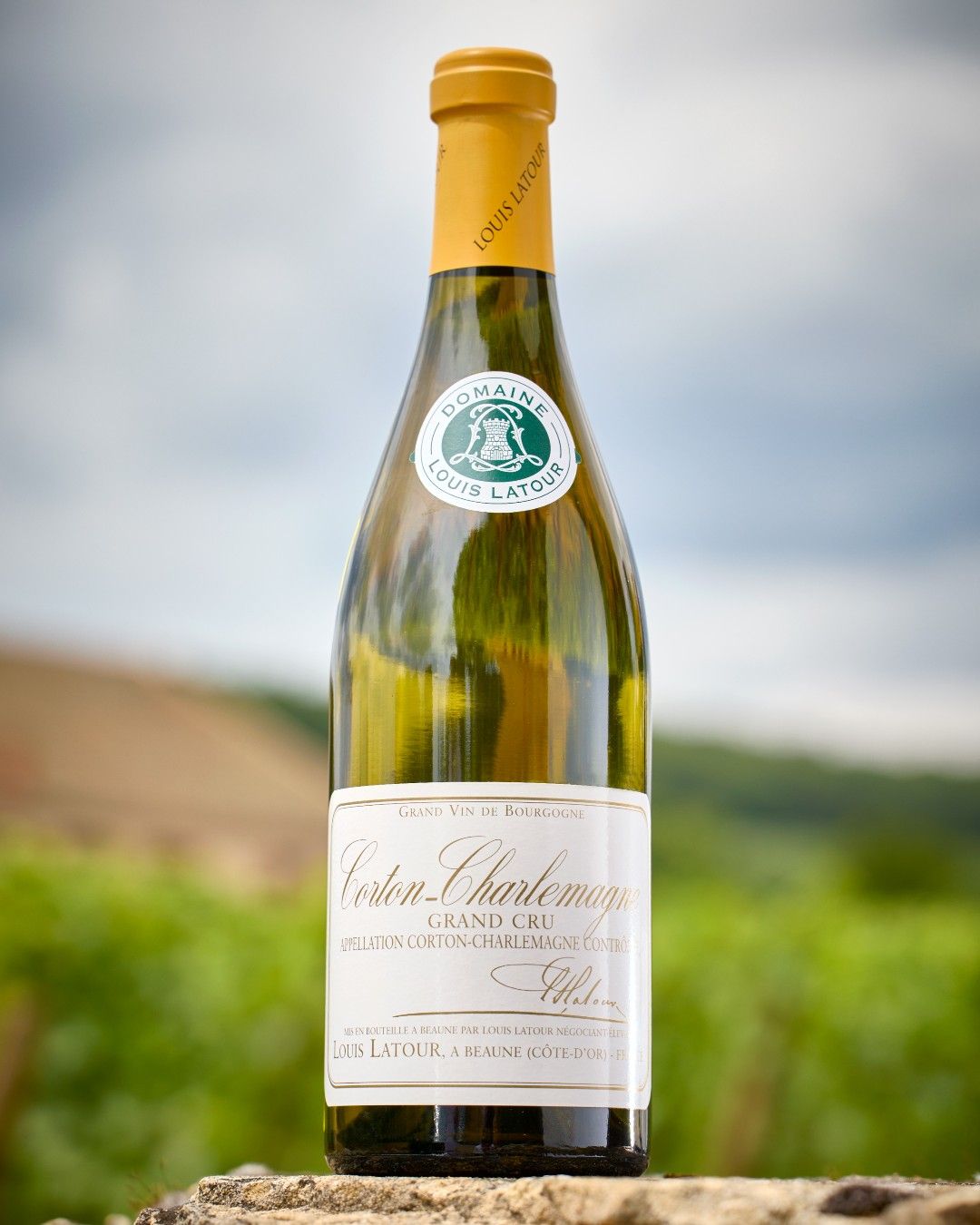
On the white side a Meursault Château de Blagny Premier Cru 2021, Beaune Aux Cras Blanc 2023 and – the whopper – Corton Charlemagne Grand Cru 2023. Going red there were Château Corton Grancey Grand Cru 2020, Chambolle Musigny Charmes Premier Cru 2020 and Corton Perrières Grand Cru 2020.
Most of the audience being winemakers, they are obviously regularly exposed to such an abundance of vinous riches, but I was like a Catholic farm-boy attending his first wet T-shirt competition. The six wines were, in the glass, absolutely astounding, a general observation being that young red Burgundies can be brilliant wines whose vibrant, lusty youthful health are wont to out-bewilder their older senior versions. And no new wood was used on the red wines lined up.
Speaking of wood, I can still taste the whites and recall the message on their oaking. Like all the wines, Meursault Château de Blagny 2021 showed not the faintest signs of a smoky edge, but its broadness on the palate, the comfort of depth and warm personable charm, the bit of sun-baked hay, made me see this wine as the “most wooded”.
Well, turns out, it only saw 35% new barrels.
On the other hand, there was that little thing of Corton Charlemagne, for me the greatest Chardonnay vineyard in the world outside Montrachet. Latour Corton Charlemagne 2023 was – despite its commanding presence and assured, argumentative structure – the wine that had for me not a touch of woodiness. Well, it was the only wine in the two flights that had been subjected to 100% new barrels.
This confirmed my assumption that wood cannot make a wine great, but great wines need wood to expose their full gambit of excellence, and without oak, these elements would remain unknown. And for us wine-lovers, we wouldn’t be able to see the wood from the trees.
Enjoyed this article?
Subscribe and never miss a post again.