
Whoever is going to rescue the calf from the well remains to be seen, but one thing is certain: 2026 is unlikely to be remembered as the Year of the Cow.
First came the foot-and-mouth disease crisis, lurching awkwardly between agricultural disaster and political football while making life miserable for cattle farmers. Now another calamity has befallen meat lovers. South Africa, we’re told, is facing a shortage of oxtail.
Yes, glorious, gelatinous, gravy-rich, soul-warming oxtail. That magnificent cut which, after hours of slow cooking, yields meat so tender it slips effortlessly from the knobbly bones before making the short journey to an eagerly waiting mouth.
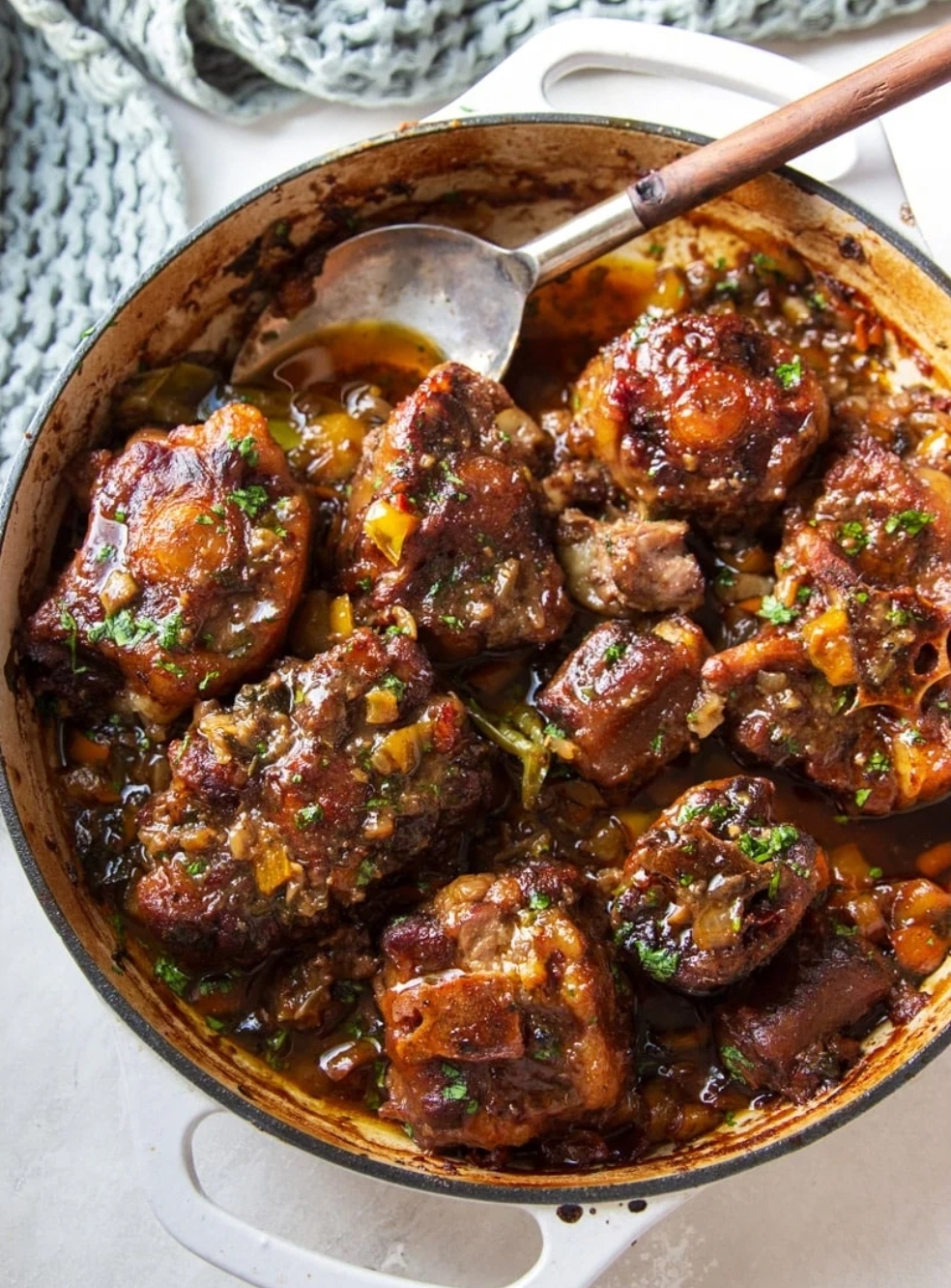
So here’s some advice for fellow devotees: if you see oxtail for sale right now, buy it. Oxtail Day Zero might just be around the corner-fence.
Thanks to one or another bureaucratic tick lodged somewhere between Argentina and South Africa, the local market could lose around 1 000 tonnes of oxtail. About 70% of the country’s supply comes from Argentina, simply because South Africans have developed a far greater appetite for oxtail than our own cattle population can satisfy. Fortunately, with more than 50 million cattle roaming the Argentine pampas, our South American amigos have always had enough tails to spare for their neighbours in the Southern Hemisphere.
Anyone who has bought oxtail recently will know it has become something of a luxury. Yet for centuries it was regarded as poor man’s food, much like lobster and oysters once were.
For generations, oxtail belonged to the category of leftovers and off-cuts. In fact, the reason the Caribbean is famous for its richly spiced oxtail dishes is a painful one. Plantation owners handed the “discarded” parts of the animal – the tail, tripe, feet and head – to enslaved people, who transformed these unwanted scraps into dishes of astonishing flavour. The same story unfolded throughout the slave-owning American South.
Britain, too, long regarded oxtail as food for the working classes. Among those who embraced it were the French Huguenots who fled religious persecution in the seventeenth century. English food historians credit these resourceful Francophile refugees with elevating the humble tail through their imaginative cooking, helping turn it into what later became a cherished British classic.
Closer to home, the legendary food writer C. Louis Leipoldt was an ardent admirer of oxtail. He maintained that a touch of Cape Malay spice brought out its finest qualities. Leaf through the recipes and photographs of South African food writers over the decades and you begin to suspect that whoever coined the phrase “Rainbow Nation” must surely have been a vegetarian.
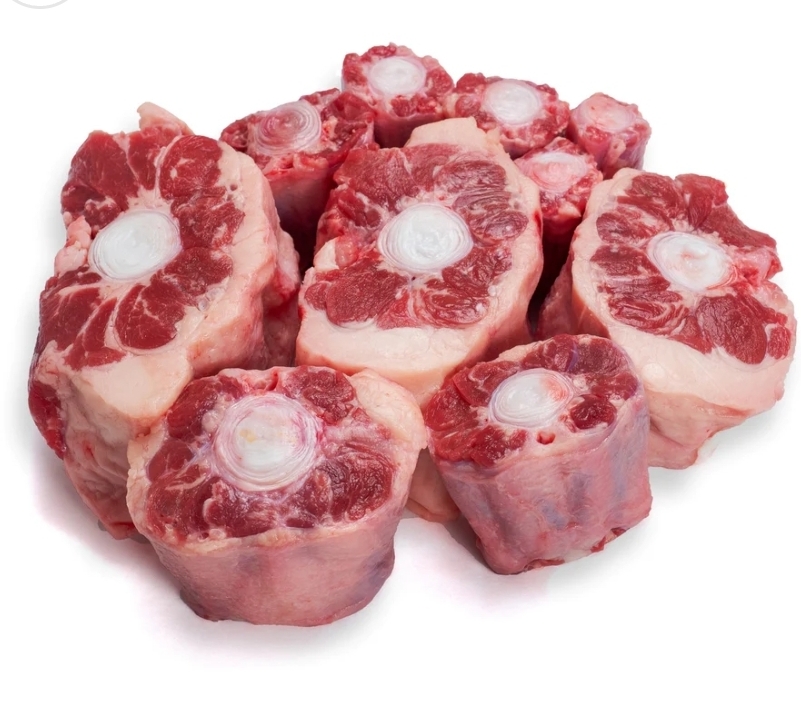
Because whether black, white, coloured, Indian or anything in between, South Africans seem united by one thing: a deep affection for a pot of oxtail, each community preparing it in its own beloved way. Curried and tucked into slices of white bread. Slowly braised in tomato and onion and served over mieliepap. Simmered in an entire bottle of Pinotage and eaten with freshly baked roosterkoek.
Perhaps there are few dishes that tell our shared story quite as honestly as oxtail.
And, by the way, why do we call it foot-and-mouth disease? A cow has hooves, not feet. Which is just as well, because anyone who has ever enjoyed properly cooked trotters knows they deserve the same culinary reverence as the tail.
Besides, every cow comes with four of them.
Enjoyed this article?
Subscribe and never miss a post again.