
To rephrase Winston Churchill’s description of Russia, I think of India as a dream wrapped in a vision cloaked in a miracle and tied to a seduction. Hence my observation, during a recent visit to this land of wonder and grace, that a culture of wine appreciation is making difficult headway here.
Only when one is there, experiencing the subcontinent’s marvellous onslaught on the senses, does it become evident just how challenging wine’s place in India truly is. The country may be one of the world’s great economies, with tens of millions of people entering the middle classes each year thanks to GDP growth of between 5% and 7%, and Indians are no slouches when it comes to indulging in the free market’s consumer-goods offerings. A marketer’s dream, for sure: a well-educated nation not averse to spending money on food and travel; clothing and cars; entertainment and dining. And yet, somehow, wine has missed the party in this bejewelled, intoxicating part of the world.
While some 6.5 billion litres of alcohol are consumed in India annually, less than 1% of this is wine. Surprisingly so in a society that is gregarious and hospitable, outgoing and social, as well as sophisticated and cultured while remaining deeply fun-loving. Indians know the “West” as well as so-called Westerners do, being enormously educated, well-read and curious, and open to fashionable consumption patterns shared by Europeans and Americans.
One might have thought that the colonial vinous influence of the Raj — British occupation from 1848 to 1947 — would have left at least a few rivulets of wine appreciation running along the manicured pathways of Delhi’s Lodi Gardens or the walkways of Connaught Place. Surely India’s energetic consumption world news, trends and fashion would long ago have seen the global wine culture catching on in India? But, as the figures show, this is not the case.
Reasons abound as to why wine barely plays even a bit-part in slaking the Indian thirst. Hefty import tariffs and a complex distribution network are often bandied about, but these do not appear to hamper India’s love affair with whisky. Here, India is the world’s largest consumer of the spirit — some 1.5 billion litres a year — almost double that of wine. Indeed, a visit to a hotel bar or restaurant often leaves one perusing a Scotch whisky list that far outweighs the wine offerings.
Other spirits are also keenly sipped: gin — unsurprisingly, as India is the birthplace of the G&T — tequila, Cognac and rum following closely behind whisky. And a cold beer is ubiquitous.
My own experience in India is that wine finds gaining traction difficult because anyone living in or visiting the country is subject to a wondrous, heady sensorial overload. Wine’s appeal to Westerners lies in aroma and flavour, and when consumed alongside the culinary offerings and social environments of Europe, America and Australia, its charms easily rise above the comparatively muted sensorial backdrop of those Westernised surrounds.

In India, however, wine’s appealing features must compete with a continuous assault of flavours and aromas that can make even the most complex white Burgundy or deepest Bordeaux taste and smell decidedly dull.
There are the broad, straight avenues of Delhi, lined with dense, evergreen trees that make the air smell of forest and meadow. Walk barefoot across the expansive floor of the Jama Masjid mosque in Old Delhi and a sudden shower of rain sends the icy, cavernous scent of wet marble drifting into the air.
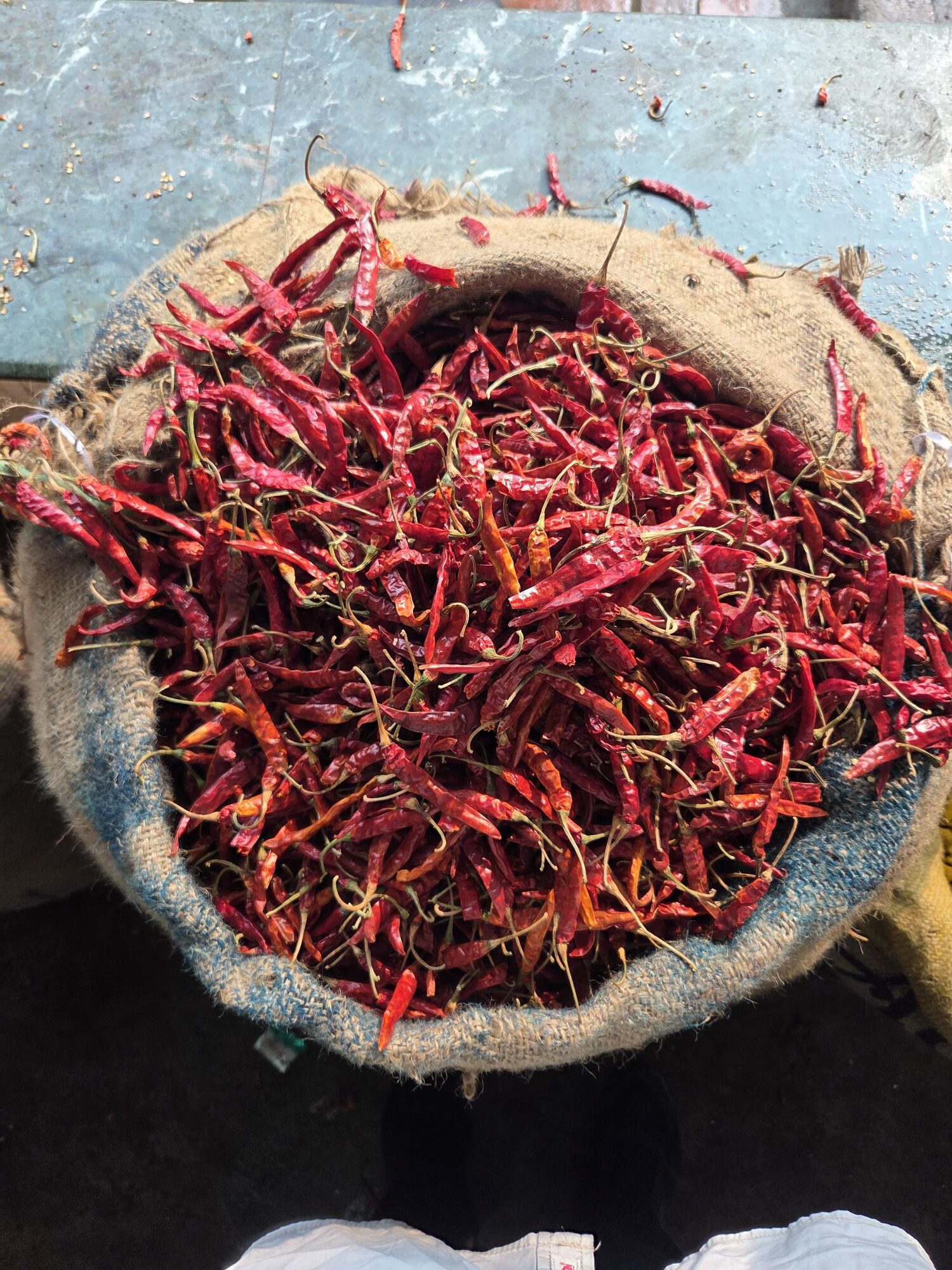
Through the narrow lanes of the old markets, the olfactory senses are overwhelmed by aromas you can cut with a Sikh sword: fresh red chillies squashed underfoot; cinnamon, clove, saffron and lemon rind; perfumed cloth and incense emanating from the garment quarter; the toasty scent of naan breads cooking over coals; cardamom crushed for the making of salt lassis.
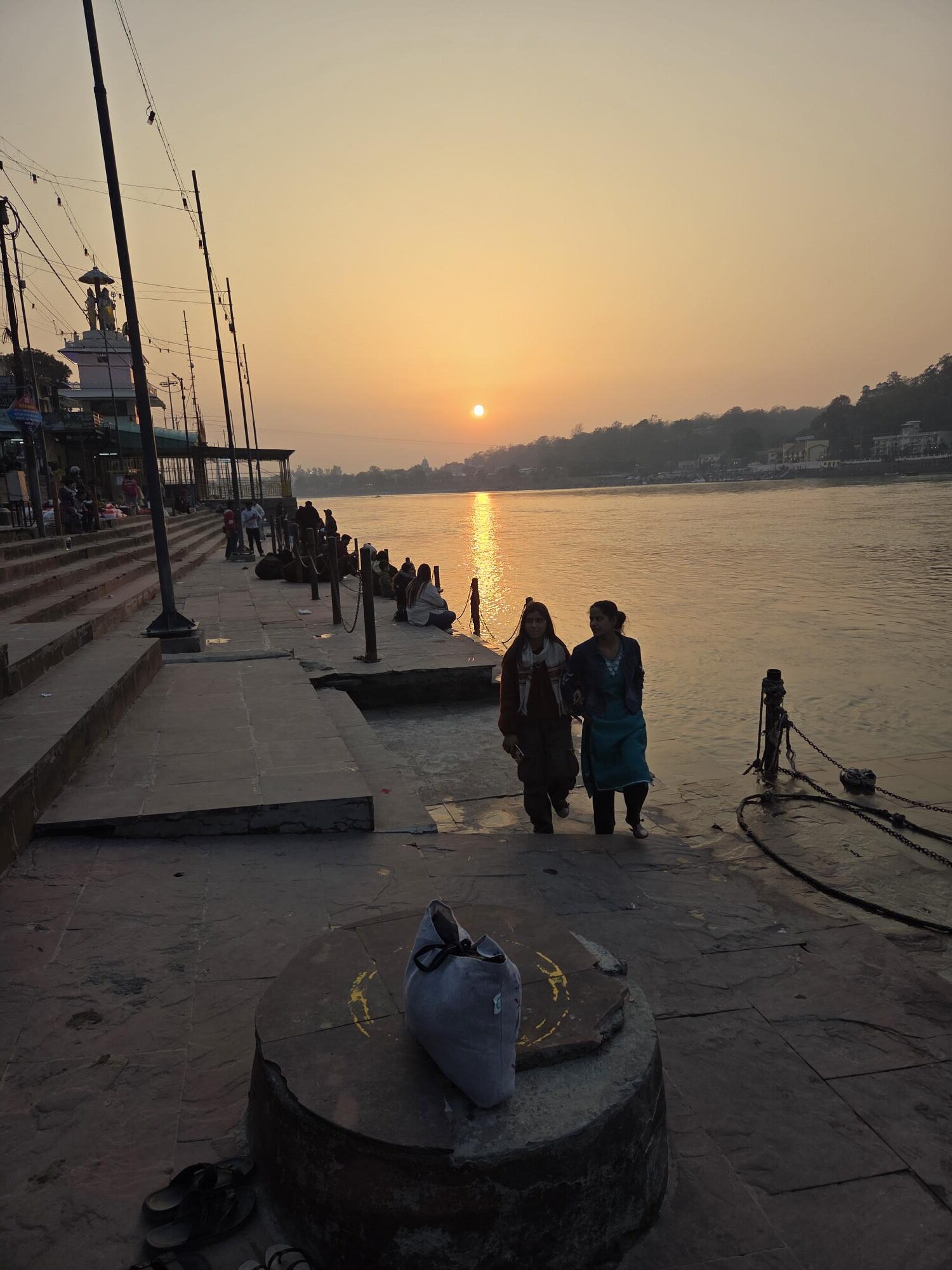
There is the pure, fresh scent of the Ganges flowing through Rishikesh, a maritime aroma without the salt, sharpened by the charcoal-lit lanterns carried by Hindu priests.
Eat curried food twice a day and the sense of taste gradually becomes saturated by flavours sharp and dense, exotic and expansive. Tandoor lamb, succulent and edged with sharp vinegar, offset by turmeric, garlic, chilli, cardamom and fenugreek. Buttery-soft balls of paneer cloaked in a creamy, densely spiced sauce with traces of fresh sage. Sweet prawns the size of small kittens, poached in fragrant liquor and served with a vivid garnet coating of Goan vindaloo.
No, contrary to popular belief, food on Indian soil is not hot, fiery and overpowering. The curries are exciting and sating, generous in spirit. Flavours that entice through their marriage of the exotic and the comforting.
And gloriously, there are no multi-coursed, speckle-portioned fine-dining menus. Orders are placed with monosyllabic assurance before the table is covered in naan and paneer, dhal and parantha, bright curries cloaked in shimmering sauces of red, rust and saffron. Eating is done with wanton abandon amid expressive conversation, shreds of naan pressed into service as spoons.
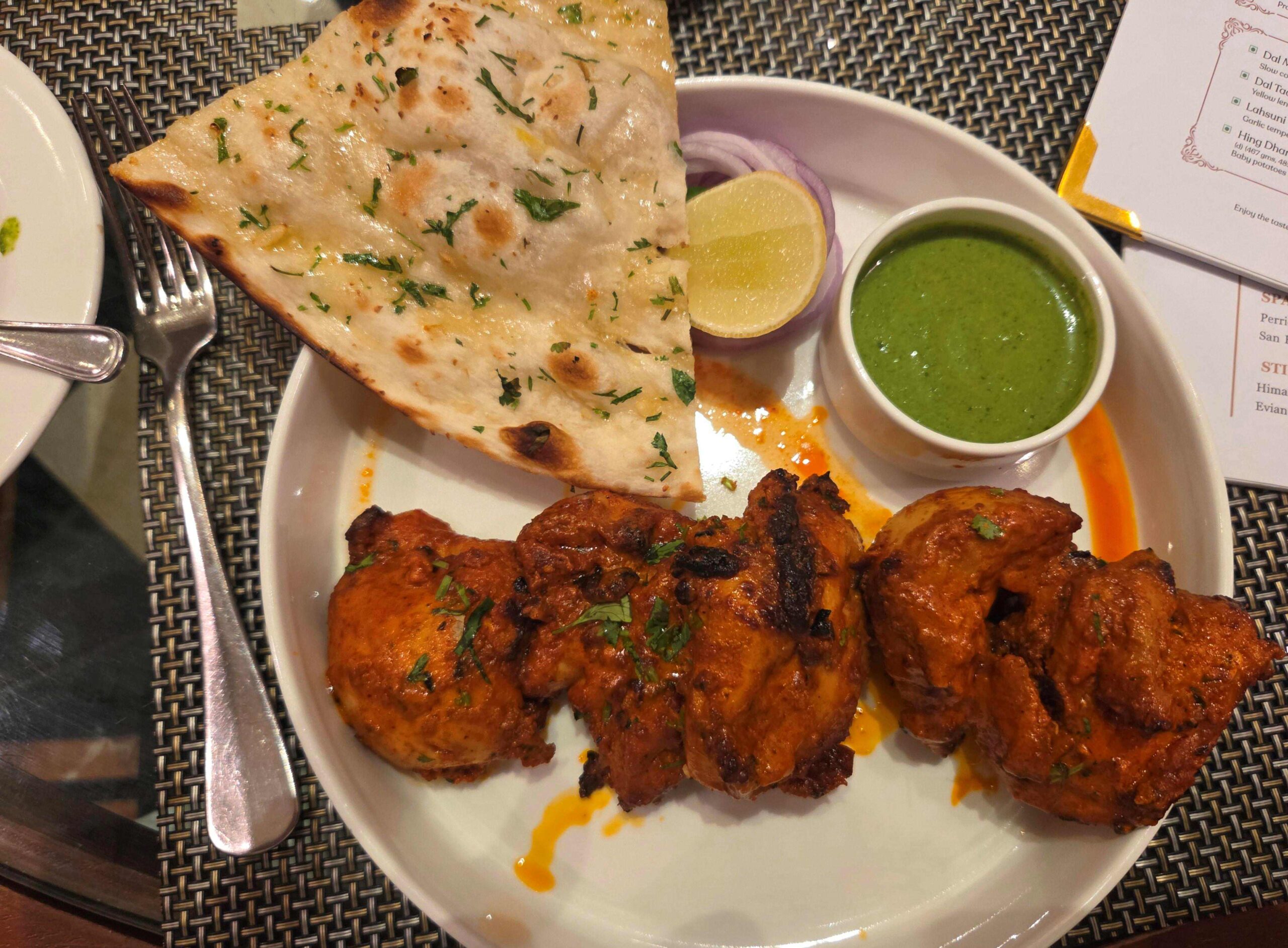
Here, the drink must match the hungry camaraderie and flavourful abundance of the food. Polite sips from wine glasses simply are not copious enough. Cool gulps of salt lassi became my preference, as did deep chugs of icy Kingfisher beer. A double Scotch with ice and soda proved a pleasing companion to a plate of steaming, saffron-flecked chicken biryani.
Any wine hoping to make meaningful inroads into this land of sensual wonder will have to put big flavour first. This is not a country of meekness and sensorial restraint— especially not when it comes to taste. And when it comes to magic, I’ll make mine Indian.
Enjoyed this article?
Subscribe and never miss a post again.
Good read, Emile!
“With a continuous assault of flavours and aromas that can make even the most complex white Burgundy or deepest Bordeaux seem decidedly dull” – very well put. One often experiences exactly that with curry or other spicy dishes.
But then, what should one drink instead? Gewürztraminer, Bukettraube?