
When the word “wine” is mentioned and one is asked for an edible companion for this drink of joy, “cheese” is arguably the most common answer. Cheese and wine have for decades been referred to in the same vein as horse and carriage, love and marriage, and braaivleis and rugby.
Those with memories harking back three to four decades will remember the “cheese and wine” parties, soirées and cocktail gatherings as immensely popular social events. When Stellenbosch and other wine regions embarked on wine tourism in the 1970s, cheese was the first food item to be offered as a complement to these early cellars’ hospitality initiatives.
And like wine, South African cheese has come a long way since those days. Gouda, also known as “soetmelk”, and Cheddar were once the only two cheeses on offer. And while not quite as limited as their dairy counterparts, Cape wines, too, were 40 years ago hardly generous in their diversity of offerings. When the Stellenbosch Wine Routes was founded in 1971, there were just over 10 members producing wine, compared to today’s 200.

Today the country not only has a spectacular array of wines made from various grape varieties, with diverse flavour nuances gleaned from the Cape Winelands’ many terroir pockets, but when it comes to cheese, consumers are also spoilt for choice.
Supermarkets offer excellent ranges of local and imported cheeses of all styles, aromas and textures, and South Africans themselves are producing artisanal cheeses with the same degree of commitment, love and expertise as their winemaking counterparts.
I remember the days when one had to seek out a specialist delicatessen at the lower end of Cape Town’s Long Street in order to procure a rare wedge of Italian Parmesan cheese. Today you only have to pop into a supermarket to find a whole array of Italian dairy delights, with even the checkout lady pronouncing “Grana Padano” in an accent to make a Milanese nonna proud.
This all makes for great times to be a South African cheese and wine lover, of which I confess to being one. However, is cheese truly the best partner to wine? And if so, which wine varieties and styles would present a sensorially satisfying match?

Dissertations, tomes and opinionated books have been written on the pairing of cheese and wine, although it is not so complicated. Because, as with all things wine and culinary, the only opinion that matters is that of the person eating the cheese and drinking the wine.
To illustrate this, I embarked on a taxing fact-finding mission with an expert. Namely, René Groenewald. Her expertise on the wine side is that of being a Cape Wine Master, South Africa’s top qualification in the field of wine knowledge. But wait, there’s more – René, who works in product development for Woolworths, is also recognised as somewhat of a cheese fundi. This through her work at the retailer, as well as judging cheese competitions in South Africa and France. I pestered her for opinion just as René had returned from judging the Mondial du Fromage competition in Tours, France.
We selected four cheeses, readily available in South Africa, did some rigorous wine-tasting and cheese-chomping, and tried to ascertain whether there was some synergy and agreement as to recommending wines to accompany the diverse cheeses. The results prove something I have always believed, and that is that personal taste lies in the taste buds of she or he who is responsible for deciding what is appropriate for ingesting and imbibing.
The first cheese up was a goat’s milk number, from France nogal, and goes by the name of La Bûche Fondante. René’s wine of choice to match with this creamy, mild cheese was the High Hopes Syrah/Grenache 2024 from Lukas van Loggerenberg. Her impression is that this perfumed red wine has a generous, soft and round mouthfeel that never overwhelms. Also, “the creamy smoothness of the goat’s cheese softens the wine’s warmth and spice, creating a lush, balanced mouthfeel.”
Personally, I loved this cheese: dense and silky and velvety, with a saline lick and none of the wild goat-pen flavour that too many South African goat’s milk cheeses show. But then again, the French do have centuries of fromage culture on us.
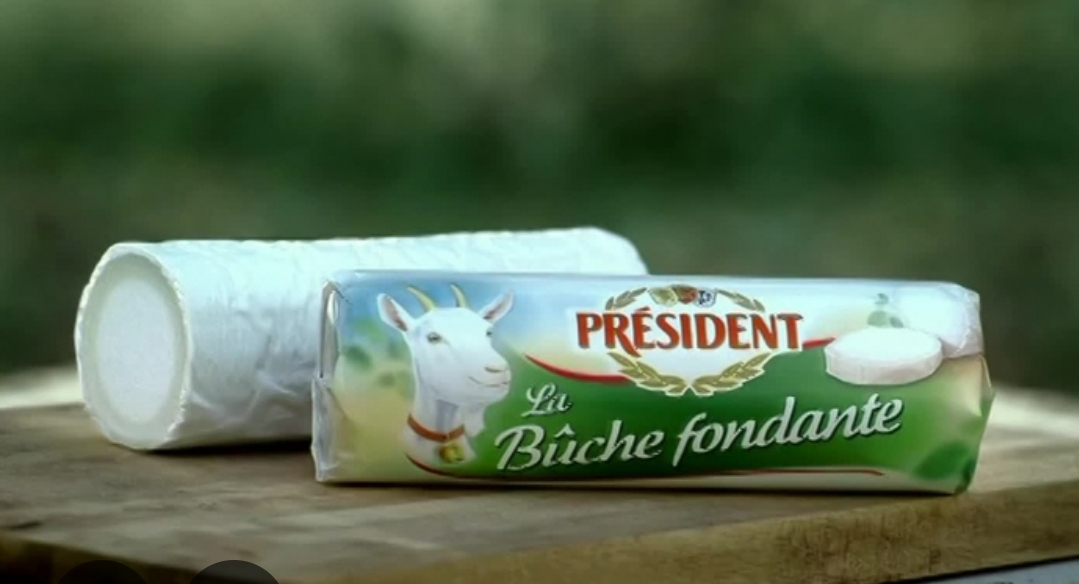
But a red wine with this cheese, even one so immaculately put together by Lukas van Loggerenberg, was for me a bit overwhelming for the cool, smooth and pastoral-tasting chunk of dairy I spread on a crusty baguette. It screamed “white wine”, and here a complex Chardonnay such as the one from Meerlust was just the perfect wine with which to enjoy the cheese. The slight acidic hit on the dairy allowed the Chardonnay’s richness to come to the fore, bringing white fruits with which to accompany the goat’s creamy, dense offering.
The next cheese was my choice, as Cheddar is – no matter what the French or Italians say – one of the world’s great cheeses. But, as we Cheddar fans have found out to our dismay, not all Cheddars are created equal. Some of the Cheddars finding their way onto supermarket shelves are made in immense volumes due to this cheese’s popularity, resulting in putrid, lifeless slabs with notes of drawing crayon and rubber inner tubing.
Mature Cheddar is what you want, and the Woolworths 18-month matured number is more representative of what Cheddar should look and taste like: crumbly, salty, strong, with a palate-coating, hearty presence.
Cape Wine Master René deems a Pinotage from B Vintners to be a suitable wine to sip while munching on this Cheddar. “Power meets power,” she reckons. “Cheddar, mature like this, gains an umami intensity through the 18 months of ageing. This is made more delicious with the Pinotage, this wine being deeply flavoured with ripe dark fruit, a smoky earthiness and subtle spice. There is a savoury energy as the smoky, earthy tones of Pinotage echo the nutty, caramelised depth of mature Cheddar, creating a seamless flavour bridge.”

While agreeing with this eloquent assessment of the cheese requiring a bold wine, I am tempted to up the ante and suggest a Boplaas Tawny Port to truly create an orchestral moment on the senses. This crumbly, assertive Cheddar, with its almost Bovril-like saltiness and evocative shards of concentrated dairy, is taken to a totally new level when the sweet, nutty flavours of a Tawny Port are brought into the equation. Perhaps it is just the kid in me who likes to bring sweet and salt together, but the heady, expressive and almost decadent combination of a great Cheddar and a very fine Tawny Port is the stuff of which gastronomic dreams are made.
Tawny Port spends – depending on the style in which it is made – years in old oak barrels and has a different colour and flavour profile from Vintage, Ruby or LBV Port. The sweet is sweeter, the acid a bit brighter, and its experience with a formidable Cheddar is truly immense.
From Cheddar to the other ubiquitous yellow cheese, namely Gouda. This, a 10-month matured cheese from the Klein Karoo.
This time I am going first, and without a doubt my wine to go with Gouda is a Riesling from Paul Clüver Family Wines in Elgin. With regards to the cheese, this Gouda has attitude: deep caramel notes, a savoury nuttiness, and those delightful little crystals that crunch between your teeth. It’s rich, dense and – like a Dutch insurance salesman – unapologetically bold.
Riesling is a wine presented in diverse flavour profiles, and the last thing you want here is a wine of the cloying kind. Paul Clüver’s number is well balanced, with racy acidity and a hint of sweetness. That acidity slices cleanly through the Gouda’s fat and salt, while the wine’s fruit notes of green apple and lime just brighten every bite. The residual sugar plays beautifully against the cheese’s sharpness, softening it, lifting it.
As can be predicted by now, René’s wine suggestion for the Gouda is a red wine, namely the Rock of Eye Cabernet Sauvignon from Coenie Snyman.
“Richness meets structure,” is her succinct introduction. “Cabernet Sauvignon is classic and powerful, a wine of depth, confidence and structure.” On its suitability to ingest with this aged Gouda: “The creamy fat and light sweetness of the cheese coat the palate, softening the wine’s firm tannins and revealing its fruit core.” Suggestion: “Serve the cheese at room temperature and the red wines below room temperature for ideal texture and aromatics.”
I suggested ending on a high, so requested a blue cheese. Mouldy cheese infers that the product has been aged, as well as confirming that, like wine, cheese is a natural and living thing.
Cremezola is a soft blue-veined cheese from Austria, and despite her conservative red wine focus, René goes rogue by suggesting that a Cap Classique sparkling wine will do nicely in this instance. The wine is the Pinot Meunier Agrafe Cap Classique from Graham Beck.
For her, this is a “refined and unconventional, but well-tested pairing”. The mild, creamy blue cheese is more on the rich side than it is pungent. “The Cap Classique shows expressive apple skin and pear character, with a luxurious, fine mousse of bubbles, and is complex in flavour and structure due to the extended lees ageing the wine underwent during its secondary fermentation.”
René’s tagline for the combination of Cremezola and Cap Classique is: “contrast and harmony”.
“The creamy saltiness of the blue cheese finds lift and freshness in the Cap Classique’s acidity, structure and effervescence, ensuring a palate-cleansing contrast that enhances both the cheese and wine – trust me!”
I must say, this fizzy wine and mouldy cheese combination hit my spot as well, and I will be engaging in this pairing with eagerness and delight. But my personal suggestion for a wine to strut alongside this style of cheese is a classic Pinot Noir, something like Anthony Hamilton Russell’s, and a bottle that has been permitted to mature for five years or more.
The cheese is subtle, salty and creamy, but not devoid of the enchanting, gloomy, feral mouldy depth. And so a good Pinot Noir works splendidly, as this wine variety, too, has an autumnal forest wild edge to it. What the cheese does is amplify the beautiful layers of fruit found at the core of Pinot Noir, opening the door to a plum orchard, casting a glowing light on the cheese, and creating a decadent, heady combination.
It is tradition for wine lovers to bless the grapes, but never forget the cows, goats and sheep, because they make of wine a thing of greater wonder.
Enjoyed this article?
Subscribe and never miss a post again.